What’s the Difference Between a Family Dentist and a General Dentist?
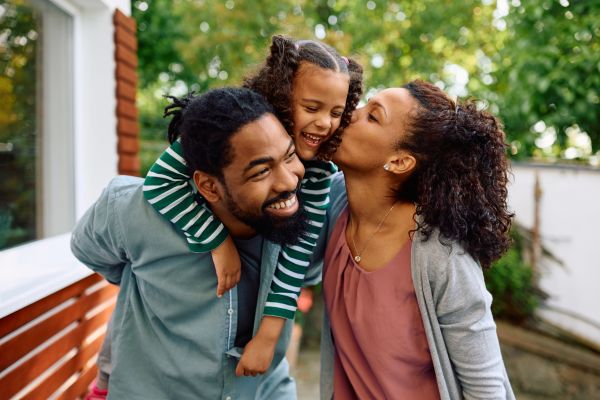
Choosing a family dentist versus a general dentist is an important decision that impacts the long-term oral health, convenience, and the overall comfort of every household member. While both types of dental professionals undergo rigorous training and provide restorative services, there are key differences. Selecting the appropriate practice requires an understanding of how family dentists can accommodate the evolving needs of children, teenagers, and adults under a single roof.
Family dentists vs. general dentists: what is the difference?
The comprehensive approach of a family dentist
A family dentist is uniquely structured to treat patients of all ages. This model is rooted in the concept of "continuity of care," which ensures that a single provider monitors the dental development of a patient for decades. By seeing every member of the household, a family dentist gains a comprehensive view of the household's health trends and genetic predispositions.
The primary advantage of this approach involves the transition of care. As children grow into teenagers and eventually adults, they do not have to "age out" of their dental home. This consistency reduces dental anxiety and ensures that their clinical record remains intact and centralized. Additionally, family dentists often pursue additional training in child-friendly behavior management to ensure that the earliest dental experiences remain positive and productive for young patients.
The scope of a general dentist
A general dentist focuses on providing comprehensive oral healthcare primarily for adults and older adolescents, addressing age-related complications. This dental practice offers advanced treatments such as porcelain crowns, dental implants, and endodontics. This adult-centered environment is frequently preferred by individuals seeking comprehensive dental care focused on fully developed teeth. However, the absence of kid-friendly amenities can make it less accessible for families with young children.
Environmental differences in the practices
The physical environment of a dental practice often reflects its target audience. For example, a family-oriented practice tends to be welcoming, with waiting areas for children and treatment rooms designed to keep younger patients calm. In contrast, a general dentist's office may have a traditional, clinical look, catering more to older adolescents and adults seeking dental services. This focus aligns with the needs of a mature patient base, where kid-friendly amenities are less relevant.
Preventive care and patient education
Prevention remains the foundation of both general and family dental practice types. However, there are differences in how dental professionals approach patient education. For example, a family dentist acts as an educator for the entire household. They teach parents how to assist children with brushing while also advising adults on the prevention of gum disease. This multi-generational approach ensures that healthy habits are reinforced at home across all age groups.
While general dentists also emphasize prevention, they typically focus on older teenagers, adults, and seniors. This preventive care includes screenings for oral cancer, management of dry mouth caused by medications, and protection of dental restorations such as bridges or implants. For patients who no longer have children at home, this specialized focus on their oral health as they age provides greater value.
Key considerations for household oral health
When evaluating the benefits of a family dentist versus a general dentist, households must consider several factors related to daily logistics and their clinical expectations. Most families prioritize a balance between high-quality treatment outcomes and the ease of managing multiple schedules. Other considerations include:
- Streamlined scheduling: Family practices often offer "block appointments" in which multiple family members receive cleanings during the same time window, reducing the need for multiple appointments.
- Kid-friendly dental training: These providers undergo additional training to explain procedures to children in non-threatening language that minimizes fear and encourages a good relationship with professional dental care.
- Developmental monitoring: A family dentist tracks the transition from primary to permanent teeth and can identify orthodontic needs early.
- Centralized records: Maintaining an entire household's dental history within one office simplifies insurance claims and the sharing of digital imaging.
- Lifelong relationship: Patients benefit from a dental provider who understands their specific dental history and childhood anxieties.
- Behavioral adaptation: The entire practice is typically trained to handle the unique energy levels and needs of younger patients, as well as those of adults.
By considering the factors above, individuals and families alike can find a dental practice that best fits their needs, lifestyle, and overall dental goals.
Find the right dental provider for your household
Selecting a dental home is about more than just finding a provider for a bi-annual cleaning; it is about establishing a partnership for long-term wellness. Whether you choose a family dentist or general dentist, the most important factor is a commitment to regular, professional care. If you have questions about our services or would like to schedule a consultation, reach out to our Brooklyn office today.
Request an appointment here: http://flatbushdental.com or call Flatbush Dental at (718) 513-7216 for an appointment in our Brooklyn office.
Check out what others are saying about our dental services on Yelp: Family Dentist in Brooklyn, NY.
Related Posts
Your dentist is your partner in maintaining oral health and overall wellness. Not every type of dentist is exactly alike though. A family dentist is a special type of dentist that can see all the members, both young and old, of an entire family. Finding a family dentist to partner with your entire family is…
As your family grows, you may be considering a family dentist as a good option to take care of everyone's dental health in one place. There are a few signs you can look for that it is time to make a change and schedule appointments with a family dentist.Some dentists are limited in the patients…
Parents often receive a million questions from their children. Being able to answer a child’s questions about what to expect during a visit with the kid-friendly dentist is certainly important. This review highlights what parents can expect during the visit with a kid-friendly dentist.There are many benefits to visiting a kid-friendly dentist. Notably, they can…
A kid-friendly dentist can perform a dental cleaning on children safely. It is a non-invasive procedure with very little to no risk involved for the child. However, it is still helpful for parents to understand what performing a dental cleaning on children is like and when it is recommended to make informed decisions about their…