Can My Dentist Treat Sleep Apnea?
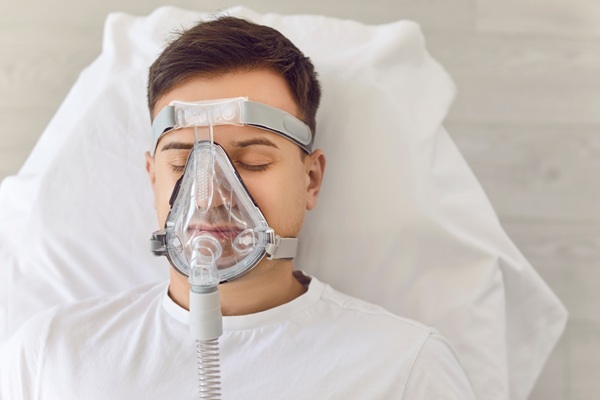
Individuals who struggle with symptoms of sleep apnea may not realize the help their dentist can provide by assessing or treating this sleep disorder. Dentists will often ask patients about their sleep habits to assess the possibility of an individual dealing with apnea, though there are other oral health signs that could lead to a dentist recommending further testing for the condition.
The signs of a struggle
According to the National Sleep Foundation, at least 18 million Americans are dealing with this condition that causes repeated breathing interruptions during the night. While these interruptions can last for just a few seconds or longer than a minute, the danger is increased by the number of these occurrences each night. Some patients can experience up to 30 or more pauses in an hour.
Oral conditions
Much of the struggle with apnea can be attributed to the physical structure of the mouth, tongue, or jaw. In some cases, the muscles located at the back of the throat are limp and weak. For others, the jaw is undersized or the tongue is oversized, either of which can lead to obstruction of the airway. Because dentists have a close look at the oral condition of a patient, they are often able to recognize when apnea could be a potential problem.
A dental exam can also reveal a throat that is abnormally red, usually an indication of a snoring problem. The shape and placement of the tongue are also taken into account, and when combined with other noticeable or self-reported symptoms, a dentist may have enough information to suggest seeking a formal diagnosis.
Oral health
Patients may also exhibit a number of other symptoms of sleep apnea, many of which dentists will notice during a routine exam. Bruxism, or tooth grinding, is considered one of the earliest signs of this sleeping disorder. Dentists are able to see evidence of this with worn-out surfaces on the teeth. Patients who experience a spike in cavities may also be dealing with apnea, as dentists find evidence that bruxism causes damage to the teeth in ways that allow cavity-carrying bacteria to creep in and take root.
The treatments recommended
A dentist is able to recognize symptoms of a sleeping disorder, but a full exam may also be needed by a primary care provider to confirm the condition. Should a dentist suspect that a patient has apnea, a sleep study may be suggested. Once a formal diagnosis has been declared, patients can begin looking for the right treatment options.
A dentist is able to explore several different treatment options with patients. Relief may be found through assistive devices that are worn over the mouth or nose, or oral devices like mouth guards can address problems with teeth grinding. Tongue-retaining mouthpieces are another potential option for those dealing with this sleep disorder.
The necessity of sleep apnea treatment
While sleep apnea is common, it is still a serious condition that does not improve without the appropriate treatments and lifestyle changes. People who deal with this issue have a high risk for multiple problems. First, because it impacts the length and quality of sleep, it can lead to chronic fatigue, making it difficult to perform everyday tasks. Poor sleep can also inhibit digestion and lead to higher stress levels, decreased metabolism, weight gain, diabetes, and trouble with memory and focus.
Sleep apnea can cause other unwanted side effects, including headaches, irritability, and dry mouth. Dry mouth can increase the risks of tooth decay, halitosis, gum disease, and other dental conditions. Patients may need to increase their water intake and use a mouth rinse or medication to combat this issue.
People with long-term or chronic sleep apnea are at risk for numerous diseases as well, including type-2 diabetes, metabolic syndrome, and liver problems. Most notably, this condition increases your risk for cardiovascular issues because it places excess stress on the heart. High blood pressure, arrhythmia, and low blood oxygen levels can all occur. The likelihood of experiencing a heart attack is also higher.
Sleep apnea often leads to loud snoring or breathing throughout the night. For those who sleep in the same room with a partner, the issue can affect the health and well-being of others as well. Partners are more likely to have difficulty sleeping, leading to unwanted health side effects for both parties.
Conclusion
Regardless of how it is diagnosed, there is hope for patients dealing with sleep apnea. Treatment is available and recommended. A dentist can address any concerns that may be raised concerning early warning signs.
Request an appointment here: http://flatbushdental.com or call Flatbush Dental at (718) 513-7216 for an appointment in our Brooklyn office.
Check out what others are saying about our dental services on Yelp: Do I Have Sleep Apnea in Brooklyn, NY.
Related Posts
You probably have heard about sleep apnea, but there may be aspects of this condition that you do not understand. It can be a serious problem and may affect your overall health if you do not treat it. Many people who struggle with it may search for answers from a general physician. While this can…
Gum disease treatment plays a crucial role in maintaining oral health and preventing long-term dental complications. Dentists provide comprehensive care to address the symptoms of gum disease and restore gum tissue to optimal health. Here are five key benefits of seeking gum disease treatment from a professional dentist.Gum disease, particularly in its advanced stages, is…
A root canal treatment is capable of retaining the natural tooth structure and replacing the damaged pulp with a dental filling. This procedure has a reputation of being painful. Even so, many people still have it. If you want to know how common a root canal treatment is, here are the details.Studies show that dentists…
Root canal treatment is performed to prevent and treat infection in a tooth’s pulp. The term “pulp” refers to the soft tissues housed in a tooth’s pulp chamber. This is the innermost layer of a tooth’s crown, and it is sealed off from the rest of a tooth to prevent oral bacteria and the acids…