Dental Implant to Replace Single Missing Tooth
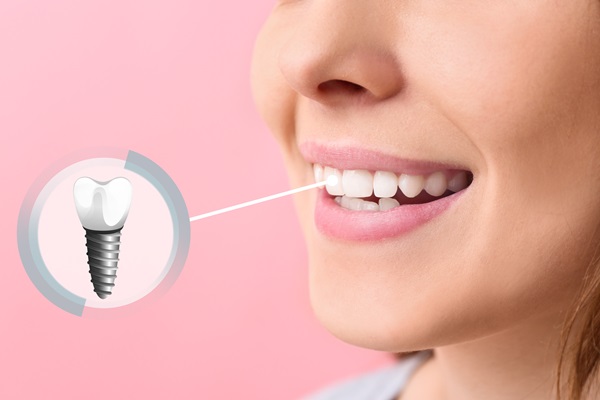
A single missing tooth can present many problems that a dental implant can avoid. A single-tooth implant is designed to replace the root of your tooth. It will work and look like your natural teeth and help prevent complications associated with missing teeth. If you are considering getting an implant, it is important that you learn more about them.
Single tooth implants
A dental implant is a titanium post that is surgically implanted into the patient's jaw and topped with an artificial tooth. Dental implants can also support dental bridges or a full set of teeth. Replacing missing teeth is more than just a cosmetic concern. In fact, having a full set of teeth is important for chewing ability and many other aspects of oral health.
The implant process
There is a time commitment involved in the dental implant process. It is not just one procedure and you are done. First, the implant must be placed. Then, the patient must wait for the implant to integrate with the jaw bone in a process called osseointegration. After that, the abutment and crown are placed in separate surgeries. The entire treatment can take six months to a year. Even more, the process can add time if the patient requires bone grafting. However, most patients find it worth it, and we can discuss more details with you after we have taken a look at your case.
Candidate for a single-tooth dental implant
For the procedure to be done, a person has to have enough bone in the jaw. The jawbone should also be strong enough to support the implants. If the jawbone is not strong enough, multiple techniques can restore the natural jawline, rebuild bone and provide a solid foundation for a replacement tooth. These include ridge expansion, bone augmentation, and a sinus lift. The supporting tissues and natural teeth near the implant's location must also be in good health.
Advantages of a single tooth implant
The procedure does not involve treating the neighboring teeth. Therefore, placing it will not sacrifice the health of the teeth next to it. Since the implant will replace the tooth root, it helps to preserve the bone. Implants integrate with the jawbone and help to keep them healthy, secure, and intact. An implant also looks better and is easier to clean than other options, such as a fixed bridge.
When to consider them
People should opt for dental implants if they are unsatisfied with the other options. For example, fixed bridges and removable partial dentures may sometimes be uncomfortable. Dental implants are intact and do not shift or move in the mouth like dentures. Implants also keep other teeth intact. Fortunately, implants can offer support to dentures or bridges attached to them.
A single-tooth implant should be considered for aesthetic reasons. A dental implant replaces a tooth, so a person will not have to avoid smiling because of the spaces between their teeth. An individual will feel comfortable smiling again. Loss of bone and teeth can make the face sag, making a person look older. The good thing with a single-tooth implant is that it replaces the tooth root, which helps to preserve the bone and avoid this problem.
Benefits of tooth replacement (when needed)
The loss of even one tooth can start to shift a smile out of alignment and impact chewing and speaking ability. Replacing teeth that are lost keeps other teeth from slowly shifting out of place and keeps the jawbone strong and stimulated. Replacing teeth has many important benefits, and they are not all merely cosmetic.
A tooth can sustain damage beyond repair, and it is often hard to tell without seeking the advice of a dental practitioner. This is especially true if an infection has been left untreated. Tooth pain is one of the leading signs that a tooth may need to be extracted and replaced. However, sometimes a tooth can be damaged or infected without a person's knowledge. Replacing a missing tooth can counteract a variety of dental health conditions and prevent further degradation of a patient's oral and general health.
The next step
A single-tooth implant is an effective tooth replacement option as implants restore function and can help improve your smile. Dental implants also prevent many complications and are a tooth replacement alternative that patients should consider. Talk to your oral surgeon to determine if dental implants meet your needs and whether you are a viable candidate. We can also discuss other tooth replacement options if needed.
Request an appointment here: http://flatbushdental.com or call Flatbush Dental at (718) 513-7216 for an appointment in our Brooklyn office.
Check out what others are saying about our dental services on Yelp: Dental Implants in Brooklyn, NY.
Related Posts
Dental implants provide a long-lasting solution for replacing missing teeth by restoring both oral function and the appearance of the smile. Many patients focus only on the final replacement tooth, but successful integration often begins long before placement. Although treatment timelines vary, every stage plays an important role in creating a stable foundation for a…
Parents often receive a million questions from their children. Being able to answer a child’s questions about what to expect during a visit with the kid-friendly dentist is certainly important. This review highlights what parents can expect during the visit with a kid-friendly dentist.There are many benefits to visiting a kid-friendly dentist. Notably, they can…
An emergency dentist can treat more than tooth pain, including injuries, infections, broken restorations, and sudden changes that affect oral function. Our general dentist who offers emergency care can evaluate the issue, relieve discomfort, and recommend the next step. If you are unsure whether your situation constitutes an emergency, here are five conditions that warrant…
A kid-friendly dentist can perform a dental cleaning on children safely. It is a non-invasive procedure with very little to no risk involved for the child. However, it is still helpful for parents to understand what performing a dental cleaning on children is like and when it is recommended to make informed decisions about their…