How Bone Grafts Protect Jaw Health and Expand Tooth Replacement Options
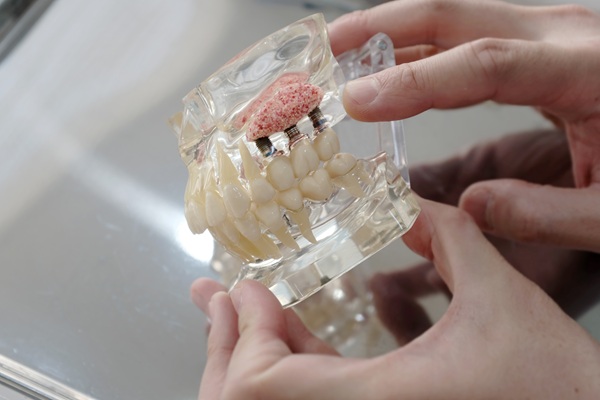
A bone graft strengthens the jaw after tooth loss, often opening the door to more secure tooth replacement options like dental implants. When teeth go missing, the jaw no longer receives normal chewing forces in that area. Over time, the bone can shrink, affecting appearance, chewing strength, and future treatment options. With careful planning, a dentist can use a bone graft to rebuild support, protect the face from looking sunken, and create a stronger foundation for implant-supported tooth replacements.
How the jawbone and teeth work together
The jawbone and teeth depend on each other. This is mainly because each bite delivers gentle pressure through the roots into the bone. That everyday stimulation keeps the bone dense and strong. When a tooth leaves the jaw, and nothing replaces the root, the bone in that region receives less stimulation.
Without that healthy workload, the body begins to reabsorb bone it no longer needs. The ridge can narrow and lower, especially in areas that stay toothless for many years. This process can change facial contours, make dentures feel loose, and limit the positions where a dentist can safely place implants. A bone graft helps interrupt this cycle by giving the bone new structure and a reason to rebuild.
What happens when the jaw loses volume
Jawbone loss rarely happens overnight. The changes move slowly, which makes them easy to overlook or ignore at first. But over time, the patient may start to notice small differences, such as:
- Dentures that feel looser even after adjustments
- Food that becomes harder to chew on one side
- A more collapsed look around the mouth and lower face
As the ridge shrinks, the soft tissues receive less support, which can give the face a more aged appearance. The space available for dental implants also decreases. In some cases, the bone becomes too thin or too close to important structures such as sinuses or nerves. A dentist then needs to rebuild the area with a bone graft before safely placing implants. Skipping this step could result in implant failure.
How bone grafts rebuild support
A bone graft adds volume where the jaw has thinned or never developed enough thickness. The dentist prepares the area, then places graft material against or within the existing bone. This material may come from processed donor sources, synthetic options, or a small amount of the patient’s own bone.
After grafting, the body begins to remodel the area. New bone cells move into and around the graft. Over several months, the grafting site should gain density and strength. The goal is not simply to fill space but to create a stable, living foundation that can support dental implants or better support dentures and facial tissues.
Situations where a bone graft makes sense
A dentist may recommend a bone graft in several different clinical situations. Common examples include:
- Tooth removal or loss in an area that may receive an implant later
- Long-standing gaps where bone loss already affects denture fit or facial support
- Areas with past infection, cysts, or trauma that left the ridge uneven or worn
Most commonly, a bone graft takes place at the same time as a tooth extraction. This approach is often called socket preservation because it fills the empty socket with a graft right away. In other cases, a dentist may recommend bone grafting months or years after tooth loss to rebuild a site that has already shrunk. In either case, it can expand the patient’s options for tooth replacement.
How a bone graft expands tooth replacement options
Traditional dental bridges and removable dentures can replace teeth. However, they sit on top of the gums, leaving the jawbone unstimulated and prone to further shrinkage. With bone grafting, patients can qualify for dental implants, which anchor into the jawbone for a natural-looking and feeling tooth replacement.
It is important to note that implants work best when a good amount of healthy bone surrounds the implant post. The implant needs firm support to handle chewing forces and to integrate fully with the jaw. If the bone thickness or height falls below a safe level, an implant without preparation could feel unstable or fail over time.
A bone graft is a common qualifying procedure for patients who want implants but have a shrunken jawbone. By rebuilding key areas, a dentist can position implants in stronger bone and in better alignment with implant-supported crowns, bridges, or dentures. This expanded set of options allows more people to choose fixed tooth replacements instead of relying only on traditional options that sit above the gums.
Build a strong foundation for future treatment
A bone graft gives the jaw a second chance after tooth loss. By rebuilding essential support, a dentist can protect jaw health and make way for dental implants. Contact us to learn more about how a bone graft can turn a thin, weakened ridge into a strong foundation for a fuller smile.
Request an appointment here: http://flatbushdental.com or call Flatbush Dental at (718) 513-7216 for an appointment in our Brooklyn office.
Check out what others are saying about our dental services on Yelp: Will I Need a Bone Graft for Dental Implants in Brooklyn, NY.
Related Posts
An emergency dentist can treat more than tooth pain, including injuries, infections, broken restorations, and sudden changes that affect oral function. Our general dentist who offers emergency care can evaluate the issue, relieve discomfort, and recommend the next step. If you are unsure whether your situation constitutes an emergency, here are five conditions that warrant…
A tooth extraction is one of the most common dental procedures and also one of the most anxiety-producing. However, a dentist would not recommend this treatment if it were not necessary to protect your oral health. So, if you are nervous about an upcoming tooth extraction, understanding its reasons will help.A dentist will usually try…
Tooth extraction is a common dental procedure that general dentists perform on a regular basis. Although it is a routine and safe method, there are common misconceptions about it that cause unnecessary anxiety and fear. It is normal to feel a little nervous before any medical procedure, but it is equally important not to let…
All-on-4 is a dental implant solution that restores a full arch of teeth with only four strategically placed implants. If you are considering permanent tooth replacement, understanding this treatment can help you make informed decisions about your long-term oral health. The following guide will walk you through what you can expect.The all-on-4 technique is a…