Oral Appliance Therapy from Your General Dentist for Sleep Apnea
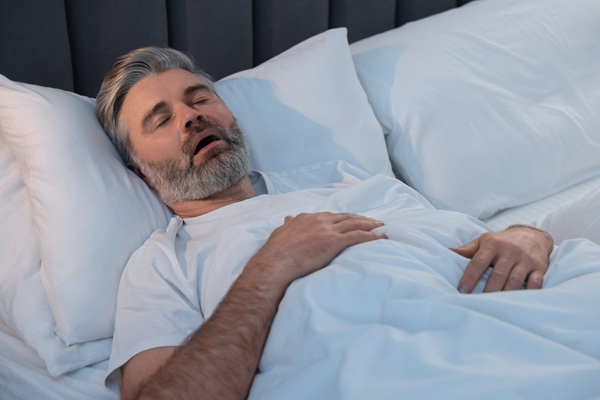
You probably have heard about sleep apnea, but there may be aspects of this condition that you do not understand. It can be a serious problem and may affect your overall health if you do not treat it. Many people who struggle with it may search for answers from a general physician. While this can be effective, you can also overcome this challenge by wearing an oral appliance. Your general dentist can examine you and fit you with a device to improve your nighttime breathing.
An overview of sleep apnea
There are two types of sleep apnea: central and obstructive. Central occurs when the brain fails to properly send signals to the respiratory system to breathe effectively. Obstructive happens when something blocks the airway, preventing air from going in and out of the airway. In this case, the individual may stop and restart breathing throughout the night. Sometimes, breathing may cease for up to a few minutes.
The tongue can be the culprit when the airway has blockage. For some people, there is excessive tissue in the throat that prevents effective breathing. Obese people are especially prone to having this issue. Smoking and drinking alcohol can also be factors. Signs of the disease include fatigue and irritability. When a person snores at night, it is also a clue that there could be breathing problems.
What the dentist can do
A general dentist focuses on the prevention and treatment of cavities and gum disease. But this dentist can also treat other conditions, including sleep apnea. Patients who complain about symptoms should go in for an examination. The dentist will examine the patient’s mouth and throat for enlarged tissue and other concerns. There will also be some questions for the patient to answer about how long they have experienced symptoms.
Wearing a mouthguard
Dentists can prescribe a mouthguard to treat conditions such as teeth grinding. A similar device may help with sleep apnea. A mouthguard can pull the jaw forward, opening the airway more when a person is lying down. The dentist will custom-make an appliance for the patient so that it fits properly and comfortably. The dentist will make impressions of the mouth first and may have to make adjustments throughout the treatment.
Wearing a tongue depressor
When the tongue gets in the way of effective breathing, a tongue depressor could solve the problem. This device holds the tongue in place and keeps it from rolling to the back of the mouth. The patient should wear it every night while sleeping. If the patient continues to experience sleep apnea, additional treatment may be necessary.
Caring for the devices
Oral appliances can work well to treat sleep apnea. However, these devices are not indestructible. The patient should handle them with care and store them in a secure place when not using them. The patient should also rinse them off and clean them daily.
How oral appliance therapy for sleep apnea can benefit the patient
A person with sleep apnea can have difficulty sleeping at night and completing activities during the day. Sleep disruption can result in poor productivity. It can also weaken immunity. Oral appliance therapy for sleep apnea can benefit the patient because:
- It improves sleep. These oral appliances are effective in treating individuals with sleep apnea. The relief these devices provide allows the patient to sleep better.
- It does not need much effort. The patient needs to insert the device into the mouth and then sleep right after. Cleaning the oral appliance after each use will prevent the buildup of bacteria.
- It is easy to use. These oral appliances are custom-fit for the patient’s whole mouth. They are lightweight, portable, easy to store, and simple.
- It is convenient. Oral appliances keep the person’s airway open. Each one is comfortable to wear because it is custom-fit. The device fits the individual’s teeth, tongue, airway, and jaw.
- It does not need surgery. Placing an oral appliance inside the mouth does not need surgery. Doing so will not make permanent changes in the person’s mouth as well.
- It reduces snoring. Blockages in a person’s airway can result in snoring. This is a common symptom of sleep apnea. Oral appliances prevent the tongue from blocking the air passages. The forced nose breathing reduces snoring.
You can successfully treat this condition and breathe well again
The effects of sleep apnea can be severe. This is not a disease that you want to ignore. It will not go away on its own. Fortunately, your general dentist can recommend oral therapy to combat it.
Request an appointment here: http://flatbushdental.com or call Flatbush Dental at (718) 513-7216 for an appointment in our Brooklyn office.
Check out what others are saying about our dental services on Yelp: Do I Have Sleep Apnea in Brooklyn, NY.
Related Posts
Individuals who struggle with symptoms of sleep apnea may not realize the help their dentist can provide by assessing or treating this sleep disorder. Dentists will often ask patients about their sleep habits to assess the possibility of an individual dealing with apnea, though there are other oral health signs that could lead to a…
To manage the pain you will feel after a root canal treatment and to prevent infection, it is critical to follow proper aftercare. The treatment is standard, so it should not be a surprise to your dentist. Once you go home, you will need to follow some aftercare tips to keep your mouth healthy. Here…
Having a root canal treatment can help you regain your dental health. Most people are not aware of their need for this procedure. You may be one of those who dismiss some symptoms because of your busy schedule. If you want to know about the symptoms indicating your need for root canal treatment, here are…
Dental emergencies can occur without warning, causing intense discomfort and requiring swift care from a qualified emergency dentist. Being prepared can alleviate anxiety and improve the effectiveness of the dental treatment. Here are 10 detailed steps to handle dental emergencies efficiently and calmly.Before rushing to an emergency dentist, it is essential to assess the severity…